
Remember the days of old, consider the years of many generations: ask thy father, and he will recount it to thee; thy elders, and they will tell thee. (Deuteronomy 32:7)
This organization shall be known as HISTORICAL SOCIETY OF JEWS FROM EGYPT, and not of Egypt or of Egyptian Jews, but FROM EGYPT
Egypt مصر מצרים Egypte
He said, "I am God, the God of your father; do not be afraid to go down to Egypt, for I will make you a great nation there. "I will go down with you to Egypt, and I will also surely bring you up again; ... (Genesis 46:4)

A photo representing the kaleidoscope that was Egypt in May 1937; the bipartisan multi-ethnic Egyptian delegation to the League of Nations pauses for a photo-op at Geneva's Hotel des Bergues: Seated from L-R: Ali Chamsi Pasha (Muslim), Foreign Minister Wassef Ghali Pasha (Copt), Prime Minister Mustafa Nahas Pasha (Muslim) and Wafd Party elder William Makram-Ebeid Pasha (Copt). Photo From http://www.indiana.edu/~league/photocategories.htm
"That was Egypt’s 1936 multi-ethnic Egyptian delegation” picture provided by Dr. Rami Mangoubi,
"You shall be over my house, and according to your command all my people shall do homage; only in the throne I will be greater than you." (Genesis 41:40) ... A new king arose over Egypt, who did not know about Joseph. (Exodus 1:8)
6000 Years and its the same Authority
Egypt has not issued an official state apology or provided restitution for the mid-20th-century displacement, mistreatment, and confiscation of assets from its Jewish population

 Six thousand years ago, Egypt began as a tapestry of local communities along the Nile, before uniting under various pharaohs. They guided it through nearly three millennia of remarkable stability, built famous monuments, and generated rich traditions.
Over the last 2,500 years, the pharaonic era gradually opened up to dynamic new influences —from Greco-Roman rule and Islamic Caliphates to the Ottoman Empire— bringing new languages, beliefs, and governance that eventually shaped the modern country of Egypt we know today.
Jewish communities played a central and vibrant role in Egypt for thousands of years. From ancient times through the Hellenistic era, Jewish scholars in bustling Alexandria helped bridge cultures by translating the Hebrew Bible into Greek (the Septuagint). Centuries later, in 12th-century Cairo, famous thinker Moses Maimonides served as royal physician while teaching incisive philosophy.
By the early 20th century, a thriving Jewish community of nearly 80,000 helped build modern department stores, banks, railroads, industries and Egyptian cinema. However, the rise of geopolitical conflict in the mid-20th century triggered what is now called the "Second Exodus." Following the 1948 Arab-Israeli War and the 1956 Suez Crisis, escalating nationalist tensions, severe civil-liberty restrictions, asset confiscations, and targeted expulsions under the regime of Gamal Abdel Nasser forced the entire Jewish population to abandon their homes and assets. Departing primarily for Israel, Europe, and the Americas, this mass displacement dismantled one of the world's oldest continuous Jewish diasporas in just a few decades, leaving behind a rich legacy in the Egyptian landscape, a fact which is unfortunately not taught to present-day Egyptians.

Muhammad Ali Pasha (1769–1849) was an Ottoman commander of Albanian origin who served as the de facto ruler of Egypt from 1805 to 1848. He is widely recognized as the founder of modern Egypt

Fu'ād al-Awwal; 26 March 1868 – 28 April 1936) was the ruler of Egypt from 1917 to 1936. He was the last Sultan and later first King of Egypt and the Sudan.

Farouk romanized: Fārūq al-Awwal; 11 February 1920 – 18 March 1965) was the tenth ruler of Egypt from the Muhammad Ali dynasty and the last ruling King of Egypt and the Sudan, succeeding his father, Fuad I, in 1936 and reigning until his overthrow in a military coup in 1952

Mohamed Naguib (February 19/20, 1901 – August 28, 1984) was an Egyptian Army major general, statesman, and the first President of the Republic of Egypt, serving from June 18, 1953, to November 14, 1954.

Gamal Abdel Nasser Hussein was an Egyptian military officer and revolutionary who served as the second president of Egypt from 1954 until his death in 1970.

Muhammad Anwar es-Sadat was an Egyptian politician and military officer who was the third president of Egypt from 1970 until his assassination in 1981.

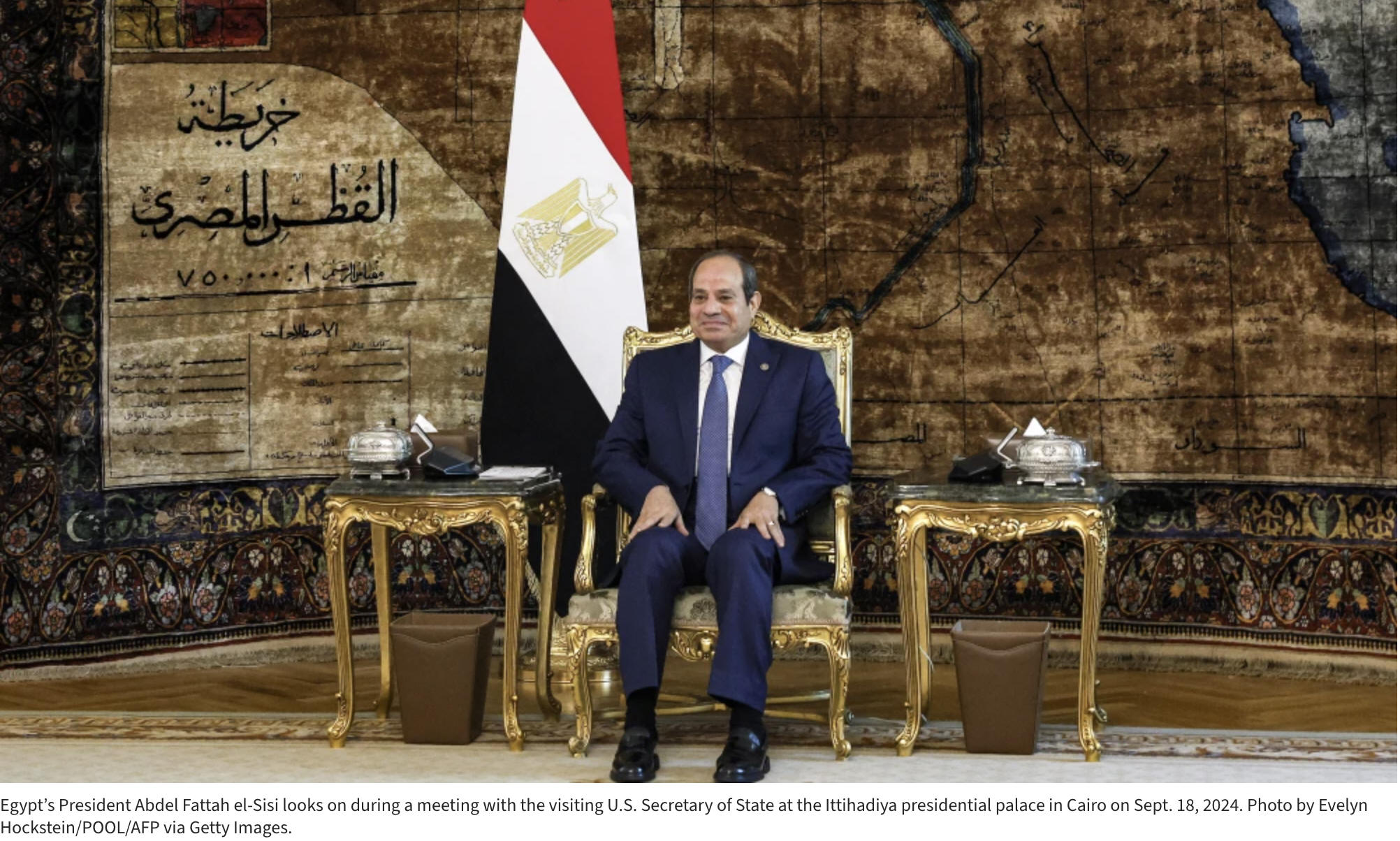
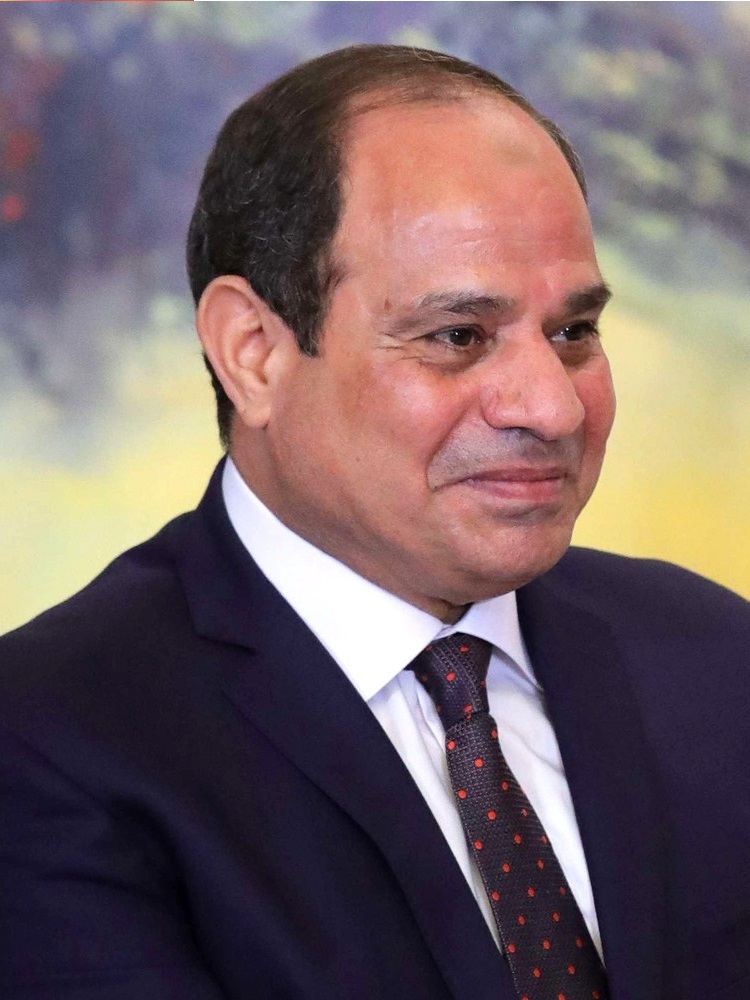
Muhammad Hosni El Sayed Mubarak was an Egyptian politician and military officer who served as the fourth president of Egypt from 1981 until his resignation in 2011, following the Egyptian revolution led by General Abd el Fatah el Sisi .

Qui ei vocent salutandi, an eam animal detraxit democritum, prompta moderatius vituperata eum et. In minimum fierent delicatissimi qui. Ex alii discere his. Quo at mucius regione, ne soleat graece copiosae sit, debet ignota vidisse ei has. Diam nibh at sed.
Qui ei vocent salutandi, an eam animal detraxit democritum, prompta moderatius vituperata eum et. In minimum fierent delicatissimi qui. Ex alii discere his. Quo at mucius regione, ne soleat graece copiosae sit, debet ignota vidisse ei has. Diam nibh at sed.
Qui ei vocent salutandi, an eam animal detraxit democritum, prompta moderatius vituperata eum et. In minimum fierent delicatissimi qui. Ex alii discere his. Quo at mucius regione, ne soleat graece copiosae sit, debet ignota vidisse ei has. Diam nibh at sed.
Qui ei vocent salutandi, an eam animal detraxit democritum, prompta moderatius vituperata eum et. In minimum fierent delicatissimi qui. Ex alii discere his. Quo at mucius regione, ne soleat graece copiosae sit, debet ignota vidisse ei has. Diam nibh at sed.
Qui ei vocent salutandi, an eam animal detraxit democritum, prompta moderatius vituperata eum et. In minimum fierent delicatissimi qui. Ex alii discere his. Quo at mucius regione, ne soleat graece copiosae sit, debet ignota vidisse ei has. Diam nibh at sed.